
Exploring the role of randomness in casino games and outcomes.
The Nature of Randomness in Casino Games
Randomness is the lifeblood of casino games, serving as the fundamental mechanism that drives uncertainty and excitement. At its core, randomness ensures that each gameplay instance is independent of previous results. This unpredictability not only keeps players engaged but also reinforces the house edge, which is critical for the casino’s profitability. Understanding the random nature of outcomes is key to appreciating why games like slots, blackjack, and roulette captivate millions.
The application of random number generators (RNG) in digital casino settings exemplifies how advanced technology enhances the randomness inherent in gaming. These complex algorithms ensure that every outcome is equally plausible, thus maintaining fairness while creating a vibrant gaming experience. For those interested in experiencing the thrill of chance, the best new zealand casinos offer a multitude of games designed around these principles.
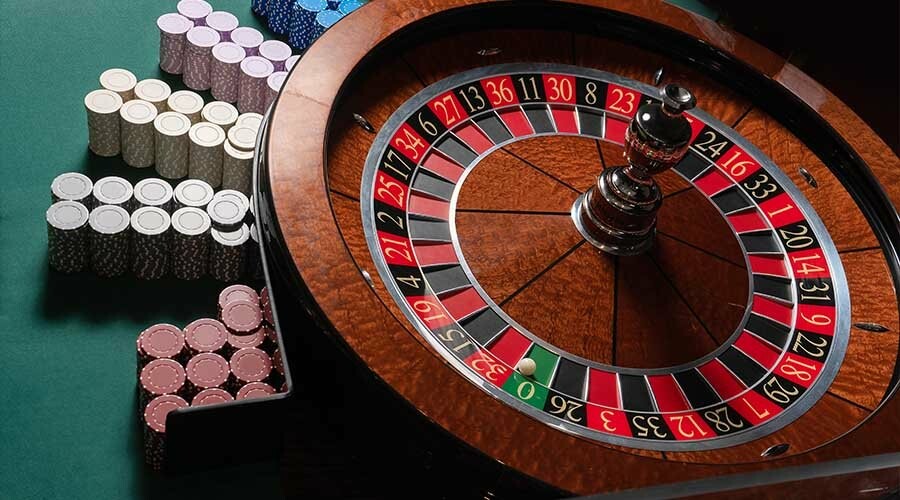
Moreover, the use of RNGs signifies a significant shift from traditional methods of determining game outcomes. Historically, physical objects like dice or roulette wheels were employed, and while they still exist, digital formats provide greater precision and control. These random processes highlight the continuous evolution of gaming technology and how it adapts to meet player needs. Ultimately, the intricate nature and implementation of randomness ensure that every game remains not only fair but also thrilling.
Statistical Foundations of Random Outcomes
Casino games are steeped in statistical principles, illustrating how randomness can lead to specific probabilities of winning or losing. For example, in a standard game of roulette, players can wager on a single number or an assortment of options, each with varying odds. The statistical background behind these games informs players about the expected outcomes, thereby shaping their betting strategies. Understanding these odds can equip players with the knowledge necessary to make informed decisions, even though luck often plays a decisive role.
Furthermore, the house advantage varies across games, with some offering better odds than others. For example, blackjack typically has a lower house edge compared to slot machines, emphasizing the role of strategic play alongside chance. However, regardless of statistical advantages, the essence of randomness in these games means that outcomes remain unpredictable, providing excitement and tension throughout gameplay. This combination of strategy and luck fuels the competitive spirit, compelling players to return time and again.
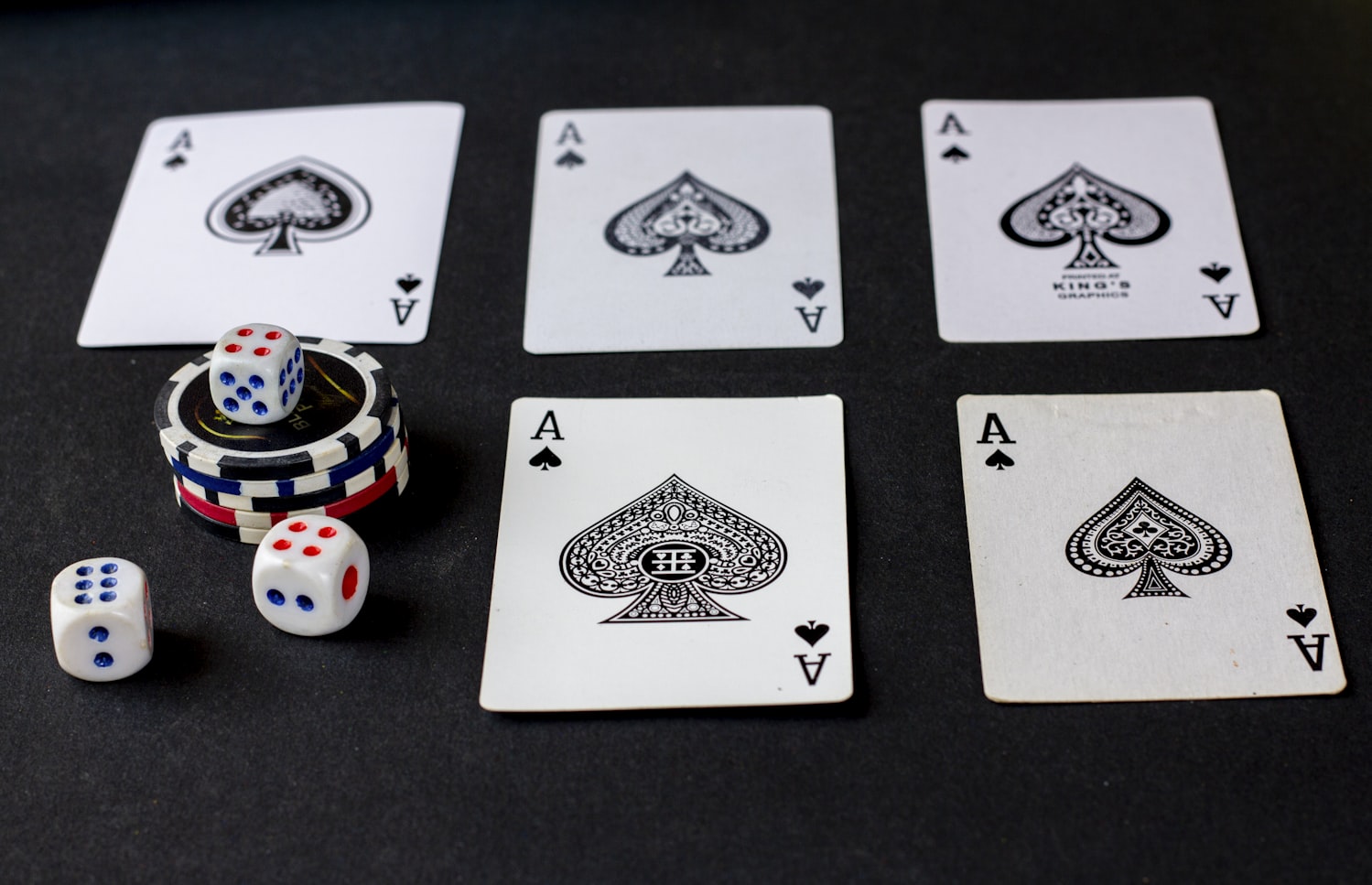
In addition, players navigating these odds often find themselves grappling with concepts such as variance and volatility. Understanding these elements can be crucial, as they ultimately impact how much players are willing to bet and how long they choose to play. Recognizing that high variance games can yield larger payouts but also pose greater risks may influence gambling behavior, broadening the awareness of responsible gaming.
Psychological Impact of Randomness
The psychological allure of randomness cannot be overstated. Many players are drawn to casino games due to the thrill of uncertainty, which can elicit strong emotional responses. The concept of “near misses” or the anticipation leading up to the reveal of a winning combination can be addictive. This psychological impact is precisely why games like slot machines remain popular; the randomness offers not just potential winnings but also the thrill of anticipation.
Moreover, the randomness found in casino games plays a significant role in shaping player behavior. For instance, when players experience moments of winning, they may perceive themselves as luckier than they are, often leading to increased betting. This cognitive bias towards randomness aids casinos in drawing customers back, creating an environment where the unpredictability of outcomes becomes a powerful marketing tool. Cognitive dissonance further plays into this notion, as players rationalize losses by fixating on the potential for future wins, thereby fueling continued engagement.
In many cases, the design of games works hand-in-hand with psychological factors to create an immersive experience. Elements such as sound effects, lighting, and pacing can amplify the perceived randomness, making the highs more exhilarating and the lows more bearable. By focusing on the emotional journey rather than solely on outcomes, casinos enhance the overall experience, making it difficult for players to resist the allure of returning.
The Role of Randomness in Game Design
Game designers utilize randomness to craft engaging experiences that simultaneously challenge players and create excitement. The factors that contribute to game mechanics, such as the distribution of wins and the frequency of loss, are often carefully engineered to enhance player engagement while adhering to legal and ethical standards. By balancing randomness with player control, designers create an enticing gameplay loop where randomness invites players in but strategy keeps them engaged.
Furthermore, many contemporary games incorporate varying degrees of randomness to cater to diverse player preferences. Some games provide players with the opportunity to harness strategy alongside luck, while others might rely heavily on chance to dictate the flow of gameplay. Ultimately, this thoughtful integration of randomness serves to enrich the gaming experience, adding layers of complexity that keep players coming back for more. This variety can cater to casual players seeking entertainment, as well as seasoned players looking for strategic challenges.
The continual innovation within game design reflects a keen awareness of player psychology and preferences. By introducing new mechanics that interplay with randomness, designers can create a sense of novelty and anticipation, ensuring that players feel invested in the outcome. When players recognize that every game not only follows established rules but also offers endless possibilities, their engagement increases significantly.
Conclusion about casino experience
The intricate dance between randomness and game design is essential to understanding casino gaming today. Casinos harness the power of randomness not only as a mechanism for determining outcomes but also as a means of engaging players on multiple levels. From statistical odds to psychological allure, every aspect of randomness contributes to the immersive experience that captivates millions of players worldwide.
As players enter casino venues, whether brick-and-mortar establishments or online platforms, they are drawn into an environment where chance reigns supreme. Exploring the role of randomness not only enhances awareness of gameplay mechanics but also enriches the overall casino experience. Embracing this randomness allows players to appreciate not only the thrill of potential wins but also the shared excitement that comes from participating in games dictated by unpredictability. The future of casino gaming will undoubtedly continue to evolve, driven by advancements in technology and an ever-deepening understanding of human behavior, ensuring that the essence of randomness remains central to the experience.