
Understanding the psychological triggers of gambling behavior
The allure of gambling
Gambling has captivated individuals for centuries, drawing people into a world of chance and potential rewards. This allure is deeply rooted in the psychology of risk and reward. Many people experience a rush of excitement when placing bets, which activates the brain’s reward system. This sensation is akin to that of engaging in other pleasurable activities, such as eating or socializing, reinforcing the desire to gamble. To keep up with these trends, the aviator app download offers a modern approach that appeals to both new and seasoned players alike.
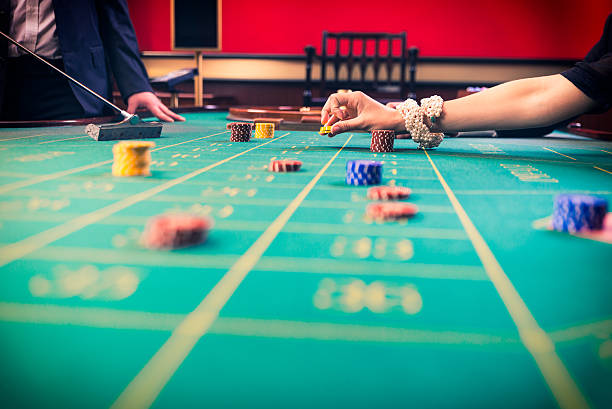
The anticipation of winning also plays a crucial role in gambling behavior. The possibility of a big win can overshadow the reality of losses, leading individuals to chase their next victory. This cognitive bias, known as “gamblers’ fallacy,” fuels the misconception that one is due for a win after a series of losses, keeping players engaged and hopeful.
The role of emotions
Emotional states significantly influence gambling decisions. For many, gambling serves as a form of escapism from stress, anxiety, or depression. Engaging in gambling activities can temporarily relieve negative emotions, creating a cycle where individuals return to the casino or betting app in search of that emotional high.
Conversely, excitement and joy can also intensify the gambling experience. Winning can lead to euphoric feelings, reinforcing the behavior. This emotional roller coaster, where wins and losses trigger varying degrees of pleasure and despair, makes it difficult for individuals to recognize when their gambling habits have become problematic.
Social influences and peer pressure
The social environment surrounding gambling can heavily impact an individual’s behavior. Socialization often plays a key role in encouraging gambling activities, whether through friends, family, or peer groups. Many people may feel pressure to conform to the gambling habits of those around them, leading to increased participation, even if they initially had reservations.
Moreover, social gambling environments, such as casinos or online gaming platforms, can create a sense of community. The shared experience of celebrating wins and commiserating over losses can amplify the thrill of gambling, further entrenching individuals in these activities. This dynamic can lead to a normalization of gambling, making it harder for individuals to recognize potential addiction.
Cognitive biases and gambling behavior
Cognitive biases are systematic patterns of deviation from norm or rationality in judgment, and they play a significant role in gambling behavior. For example, the illusion of control is a common bias where individuals believe they can influence outcomes in games of chance. This leads to overconfidence in one’s abilities, encouraging continued participation even in the face of losses.
Additionally, confirmation bias influences how gamblers interpret their experiences. Many individuals focus on their wins while downplaying their losses, which skews their perception of their overall performance. This selective memory fosters a continued belief that they are skilled gamblers, further perpetuating their gambling behavior.
Discovering responsible gaming
Understanding the psychological triggers behind gambling behavior is essential for fostering responsible gaming practices. Awareness of emotional influences, social pressures, and cognitive biases can empower individuals to make informed decisions about their gambling activities. By recognizing the factors that drive their behavior, players can establish healthier boundaries and reduce the risk of developing problematic habits.
For those looking for a balanced gaming experience, exploring skill-based games like the Aviator App can provide an engaging alternative. These types of games challenge players to use strategy and reflexes instead of relying solely on chance, offering a more controlled and rewarding experience. Embracing responsible gaming can lead to a more fulfilling relationship with gambling, allowing individuals to enjoy the thrill without the pitfalls.